Treatment and a hospital staycation

Very quickly after hearing about WS, we researched and explored all the information that is available. With key experts and specialised clinics in Washington USA and Birmingham UK, initially we thought we would have to consider relocating. However with clinical trials being global and having a network of specialists helping us here in New Zealand, we feel confident that this is something we can manage without a huge upheaval.
Currently we have chosen not to explain the overall WS diagnosis to Mabel.
She is a pro with the diabetes side of things. She is very much aware and vocal about her eyesight issues and colourblindness. When she asks questions we will be cautious but transparent.
There are many symptoms that come along with WS. Some more manageable than others.
Diabetes
For her antibody-negative diabetes we have an amazing paediatric diabetic team.
Endocrinologists lead us and are our main care support. Mabel wears a CGM (continuous glucose monitor) and her insulin is administered via an insulin pump.
With 3 monthly diabetic clinic appointments, Mabel’s weight and height are recorded. The team take a finger prick HbA1c blood test which measures average blood glucose levels over the past 2–3 months. It monitors diabetes by measuring how much sugar is attached to hemoglobin in red blood cells. When she was first admitted to hospital she was so far in the red zone she was off the scale.
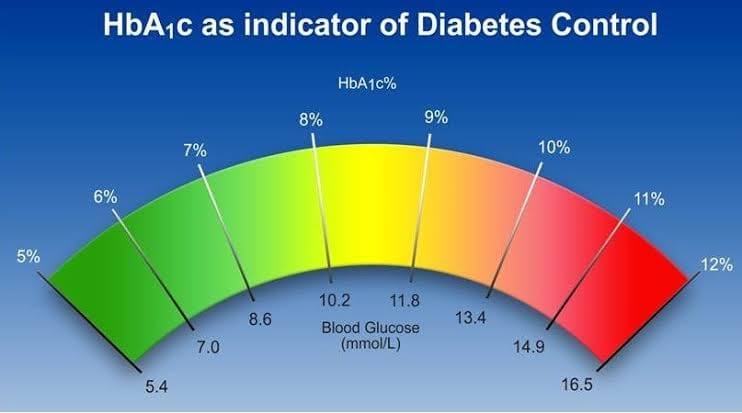
With help of technology, hard work, and the only positive side of limited food intake, we somehow manage to have good control - and stay in the green zone.
Hearing loss
Currently she has had one hearing test which gave us some reprieve. So far results are within a capable range. She will see the Audiologist every 6 months.
Vision loss
This without doubt will be one of the hardest issues to navigate.
A simple eye exam very quickly highlighted some serious findings. We are now in the hands of an ophthalmologist.
Mabel has had extensive eye exams. Including an MRI. Her vision is blurry and struggles with distance. She needs things close up and in clear black text.
Thankfully her last eye test showed no decline in the last six months.
Diabetes can be managed. Hearing loss can be improved with aids. Unfortunately with eyes it’s a different story. Much to her disappointment and our devastation, glasses hardly make a difference.
There are medications which are in trial stages. Showing clear results of slowing down the decline in vision. The problem we have is getting Mabel to take said medications. Her vision will never improve but a weekly injection is our main hope of keeping it at this level for as long as possible.
Moving forward
With multiple ongoing issues - anxiety, fatigue, and Mabel’s extremely restrictive diet (ARFID). We are feeling like we are getting nowhere fast. Collectively we have had to take a week’s hospital admission.
Along side the endocrine department, we will be working with play therapists, dietitian’s and her psychiatrist. The aim - to improve the rough cycle we are in.
Mabel needs nutrition and medication, after months, even years of struggle, we need to make some serious progress. Anything or anyone that can help get her on a positive receptive path. Prevent progression, control the damage, and gain some consistency to help her thrive.